
Balancing Independence and Support for Aging Parents
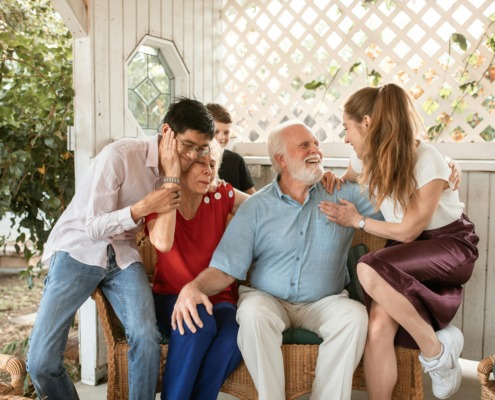 As parents grow older, many families begin thinking about how to support them while still respecting their independence. This can be one of the most emotional parts of aging for both seniors and their adult children.
Older adults often want to maintain their routines, privacy, and sense of control. At the same time, family members may notice challenges with mobility, safety, or daily tasks. Finding the right balance between independence and support is an important part of healthy aging.
For families exploring senior living for their aging parents, understanding how to maintain this balance can help make future decisions feel less overwhelming.
Article Summary
- Why Independence Matters to Older Adults
- Recognizing When Extra Support May Be Needed
- Supporting Without Taking Over
- Small Changes Can Make a Big Difference
- Social Connection Matters
- Safety and Peace of Mind for Families
- How Senior Living Can Help Balance Both Needs
- Talking Openly About the Future
- FAQ: Balancing Independence and Support
- Senior Living Support in Wauwatosa
1. Why Independence Matters to Older Adults
Independence is closely connected to dignity and confidence. Many seniors want to continue making their own decisions, staying active, and maintaining control over their daily lives.
Simple things like choosing meals, managing schedules, or participating in favorite activities can help older adults feel engaged and empowered.
This is one reason many seniors prefer communities that support independence while still offering assistance when needed.
2. Recognizing When Extra Support May Be Needed
While independence is important, there may come a point when additional support becomes helpful.
Families may notice signs such as:
- Difficulty keeping up with household tasks
- Increased isolation or loneliness
- Trouble with mobility or balance
- Missed medications or appointments
- Concerns about driving or transportation
Recognizing these changes early gives families time to explore options and make thoughtful decisions instead of waiting for an emergency situation. If you are noticing these changes, our guide Signs Your Parent May Need More Help at Home offers additional guidance.
3. Supporting Without Taking Over
One of the biggest challenges for adult children is finding ways to help without making their parent feel like they are losing control.
A supportive approach may include:
- Asking questions instead of giving orders
- Including parents in decisions
- Offering help gradually
- Respecting routines and preferences
The goal is to work together rather than take over. Seniors often respond more positively when they feel heard and respected throughout the process.
4. Small Changes Can Make a Big Difference
Support does not always mean making a major life change right away. Sometimes small adjustments can help seniors remain independent longer.
Examples may include:
- Transportation assistance
- Meal services
- Housekeeping help
- Wellness programs
- Safer living environments
These types of support reduce stress while helping seniors continue enjoying daily life.
Many families also find that a maintenance-free lifestyle can remove many of the burdens associated with homeownership. Our article Maintenance-Free Living: The Smart Choice for Seniors explains how these services can simplify life for older adults.
5. Social Connection Matters
Maintaining independence is not just about physical ability. Emotional well-being also plays a major role in healthy aging.
Seniors who live alone may begin feeling isolated over time, especially after losing a spouse or reducing social activities. Regular interaction with others helps improve mood, mental health, and overall quality of life.
Communities that encourage social connection often help residents stay active and engaged through activities, dining experiences, and group events. The emotional benefits of social engagement are discussed further in our article How Senior Living Helps Reduce Loneliness.
6. Safety and Peace of Mind for Families
Adult children often worry about safety as their parents age. Concerns about falls, emergencies, or managing daily tasks alone can create stress for the entire family.
Having support available provides reassurance for both seniors and their loved ones.
This may include:
- Emergency response systems
- Staff availability
- Accessible living spaces
- Transportation support
- Wellness monitoring
Knowing help is nearby allows seniors to maintain independence while families gain peace of mind.
7. How Senior Living Can Help Balance Both Needs
For many older adults, the right community provides a balance between freedom, convenience, and peace of mind. Residents can continue enjoying their routines while also having access to services and support when needed.
In an independent living community in Wauwatosa, seniors often enjoy:
- Private apartments
- Flexible daily schedules
- Social activities and events
- Dining options
- Maintenance-free living
- Transportation and supportive services
This type of environment allows seniors to stay active and engaged without the stress of maintaining a home alone.
Communities like Harwood Place are designed for older adults who want to maintain their independence while also enjoying the comfort of having support nearby if needs change over time. Families researching these options can learn more about independent living at Harwood Place and how it helps residents live confidently while staying connected to the Wauwatosa community.
8. Talking Openly About the Future
Conversations about aging and support are not always easy, but open communication helps families make better decisions together. Starting these conversations early allows seniors to express their preferences and remain involved in planning for the future.
It can also reduce stress later by giving families time to explore options calmly and thoughtfully. Many families find that once they begin discussing the topic openly, the process becomes less intimidating for everyone involved.

9. FAQ: Balancing Independence and Support
How do families know when a parent needs more support?
Changes in mobility, safety, social activity, or managing daily tasks may be signs that additional support could help improve quality of life.
Does senior living take away independence?
No. Many senior living communities are designed to help residents remain independent while offering support when needed.
What if a parent does not want help?
It is important to listen respectfully and avoid pressure. Starting conversations early and focusing on goals like safety and quality of life can help.
Can seniors still stay active in a senior living community?
Yes. Many communities offer activities, fitness programs, social events, and outings that encourage residents to stay active and engaged.
10. Senior Living Support in Wauwatosa
Balancing independence and support is one of the most important parts of helping aging parents maintain a high quality of life. The right environment can provide safety and assistance while still allowing seniors to enjoy freedom, privacy, and meaningful daily routines.
At Harwood Place, residents enjoy comfortable senior living in Wauwatosa with services and amenities designed to support both independence and peace of mind. If your family is exploring options for a loved one, schedule a tour or contact the Harwood Place team today to learn more about available apartments and supportive living options.




 Dr. Champalal Gupta, MD